Transplant Research Innovation — International Network — Data Initiative
Harmonizing clinical, histological, immunological, virological and molecular data
from patient populations worldwide — to advance precision medicine in solid organ transplantation.
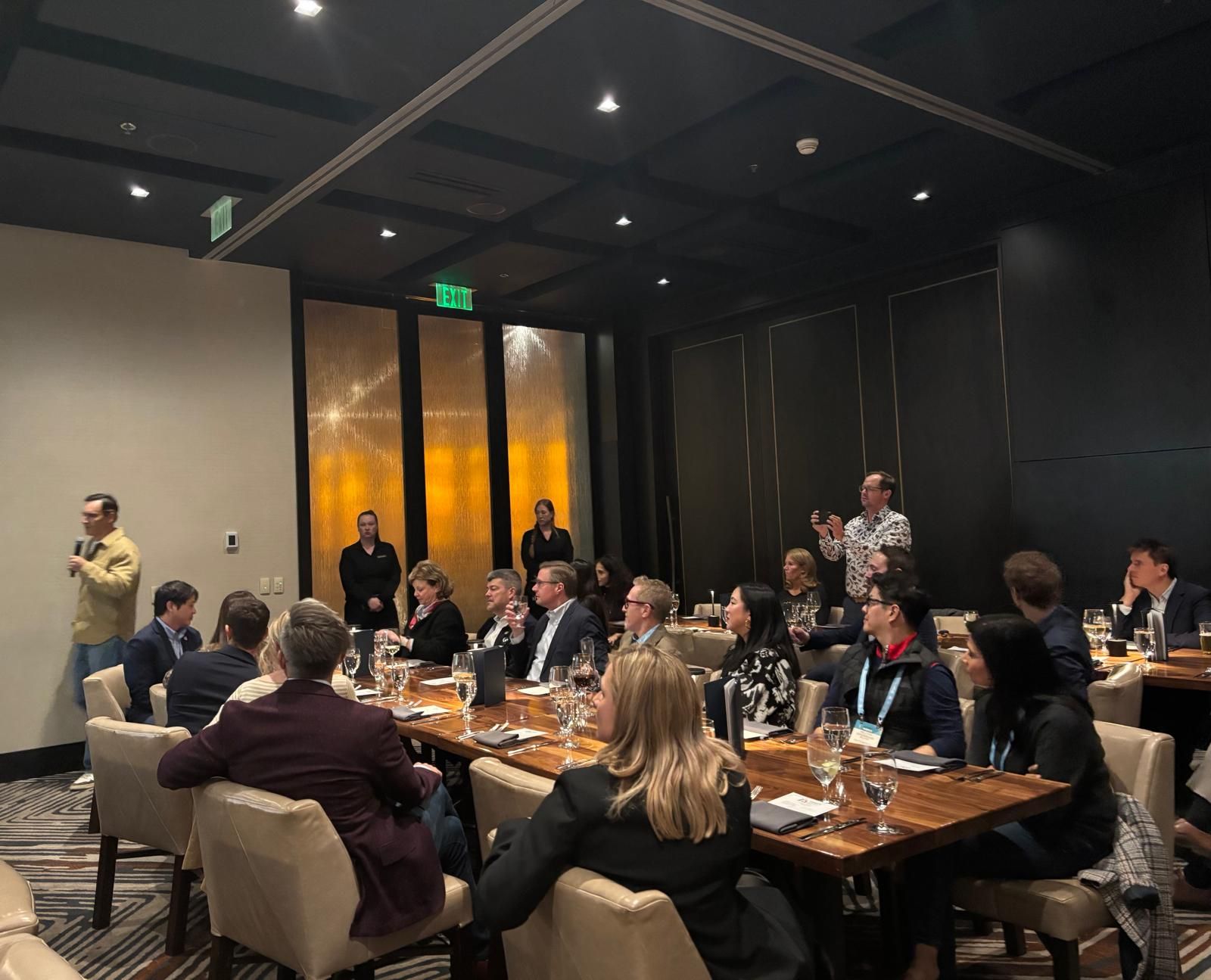
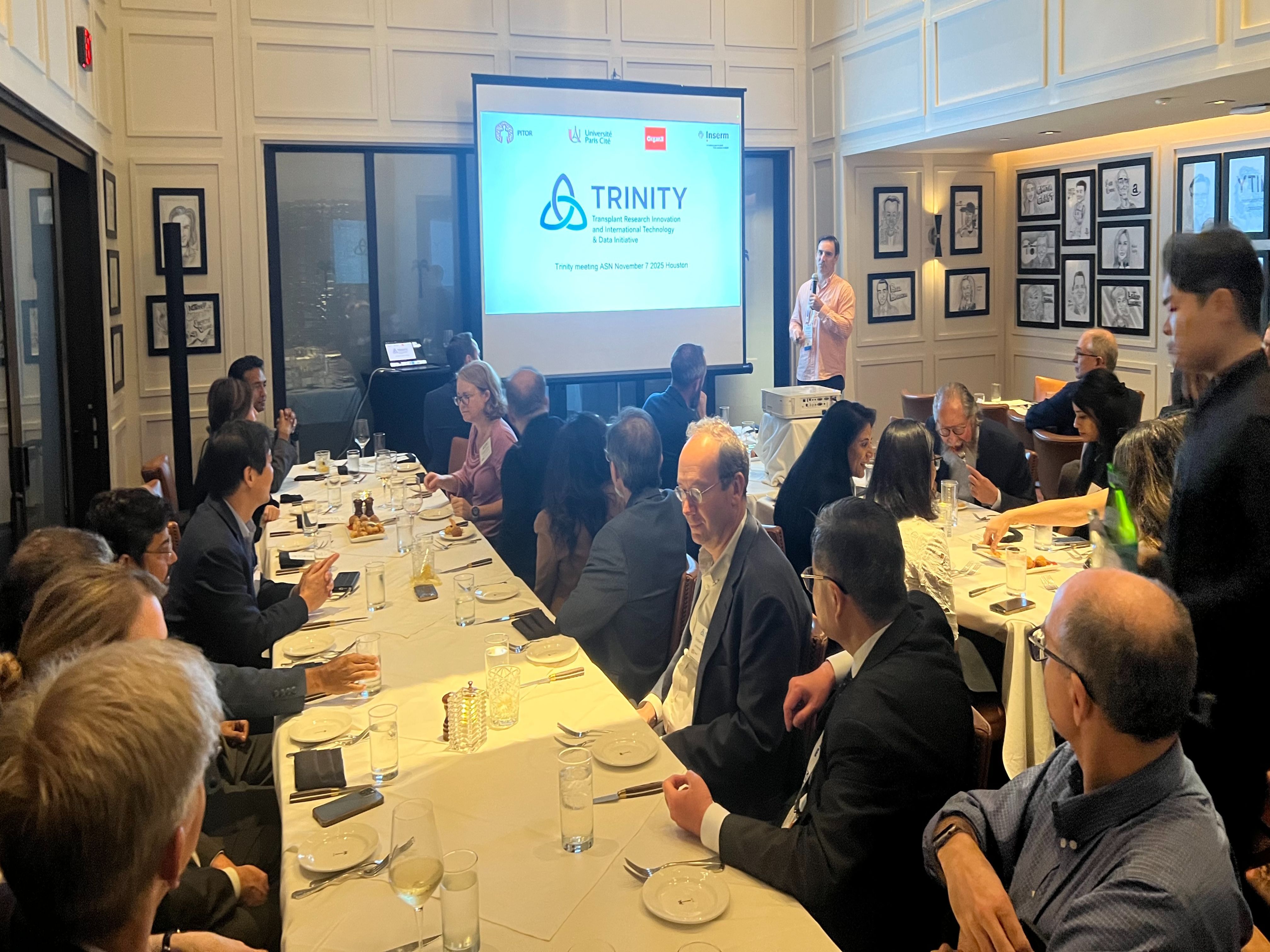
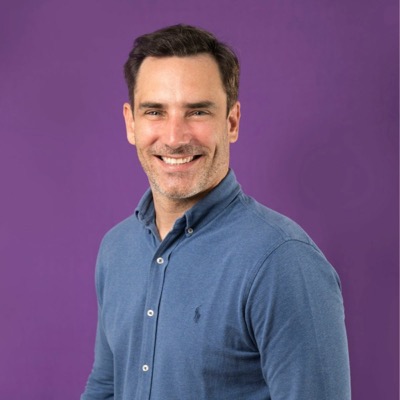
Investigators and partners met over dinner at ASN Kidney Week for the consortium's
biannual meeting on network and project advances: results from the BK polyomavirus, recurrence (PRECISE-RGN)
and early dd-cfDNA studies, the 2027 research roadmap, and a first-hand account from UT Southwestern Medical
Center on joining TRINITY as a large Texas center.
American Transplant CongressResidence of the Consul General of France · Boston · June 2026
ASN Kidney WeekHouston · November 2025
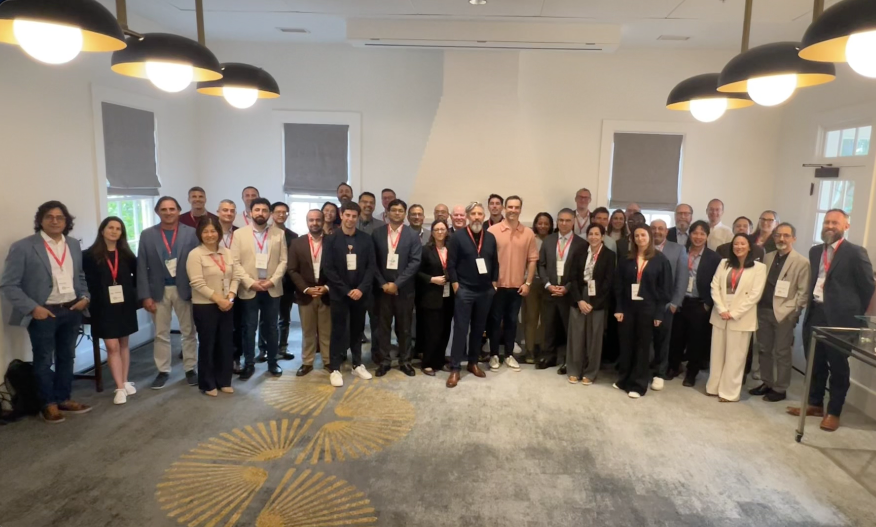
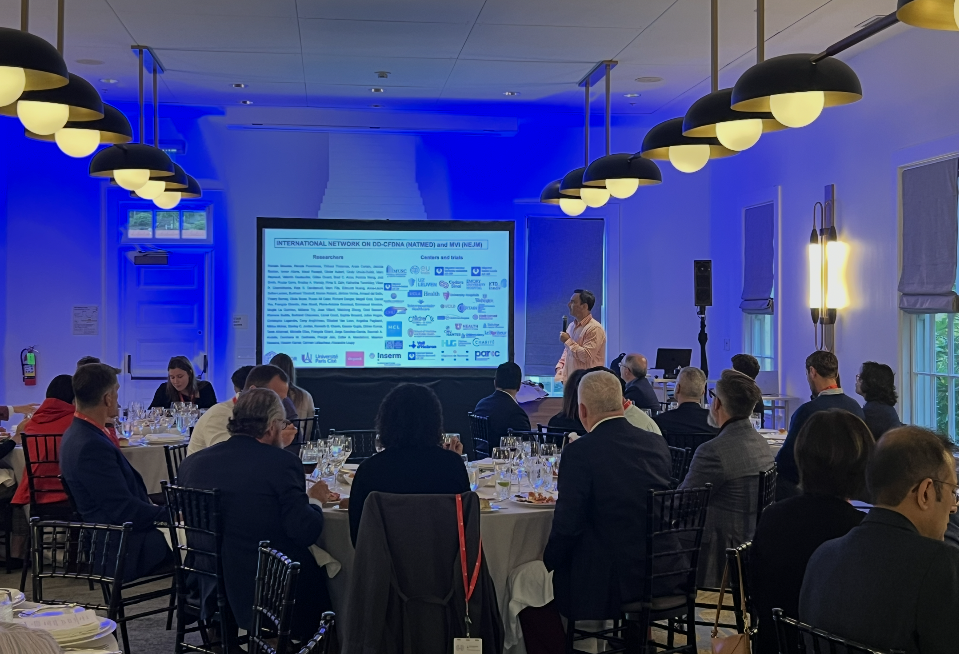
World Transplant CongressCavallo Point · San Francisco · August 2025
World Transplant CongressCavallo Point · San Francisco · August 2025
Our Mission
Moving transplant care from reactive management toward precision-guided surveillance.
Despite advances in immunosuppression, kidney transplant recipients still face significant
risks from rejection, viral infection, disease recurrence and graft failure. Early detection and accurate
risk stratification remain unmet needs.
Single-center studies, while foundational, cannot account for the heterogeneity in immunological risk,
immunosuppressive strategies and clinical practice that exists across transplant populations worldwide.
TRINITY was established to close this gap — building a shared, evolving research infrastructure that enables
multicenter validation at scale.
The Network
An unprecedented scale of harmonized, real‑world evidence.
0+
Academic Centers
0
Countries
0
Continents
0K+
Patients
0+
Harmonized Variables
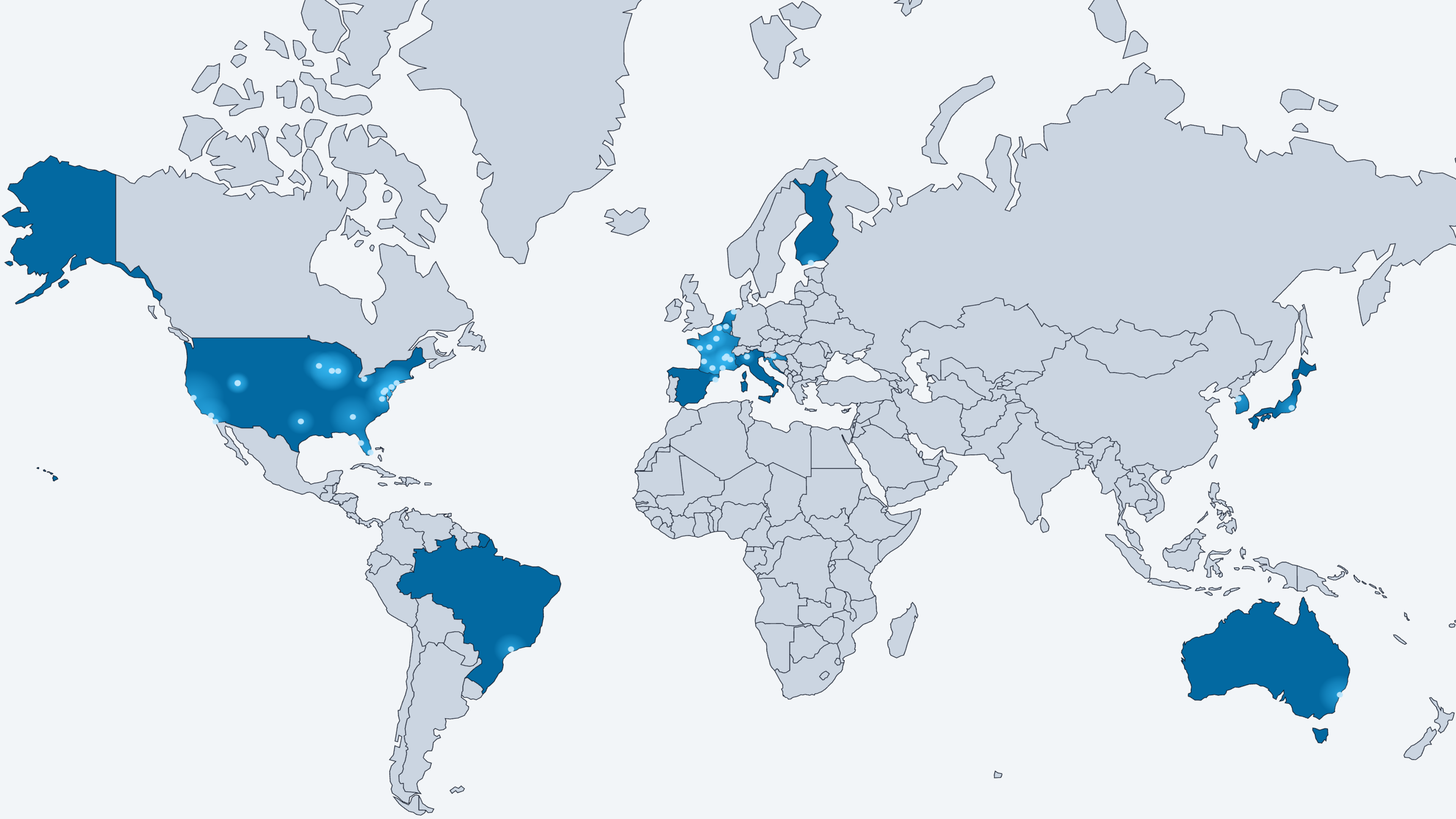
Europe
France · Belgium · Croatia · Spain · Switzerland · Germany · Finland · Italy
Americas
USA · Brazil · Chile · Argentina Canada
Asia
Republic of Korea · Japan
Oceania
Australia
Active Science
Four areas of investigation on one shared infrastructure.
Each project operates on the same harmonized datalake, with distinct scientific objectives and data
requirements. Three flagship studies are under way: BK polyomavirus, PRECISE-RGN and early dd-cfDNA.
01 · Prognostication
Extended validation of the iBox system
A prognostic system for kidney allograft failure, integrating eGFR, proteinuria, histology
and immunology. Already validated across seven countries and randomized trials; TRINITY extends it to new
centers and populations, including North American and African-American validation cohorts.
8,683
Recipients · validation cohort
2,570
North American recipients
02 · Biomarker
Donor-derived cell-free DNA
A non-invasive biomarker of graft injury. TRINITY validates the dd-cfDNA model across
cohorts and evaluates its association with Banff 2022 microvascular inflammation phenotypes and early
post-transplant settings. A prospective, IRB-approved study of serial dd-cfDNA in the first month
post-transplant is starting at five US centers, coordinated by Duke University.
7,103
Biopsies paired with dd-cfDNA
5,256
Recipients
03 · Virology
BK polyomavirus
One of the largest international BK cohorts in kidney transplantation — integrating viral
loads with biopsy findings, dd-cfDNA and outcomes to identify risk factors and build progression-risk
tools. Twenty-four centers in six countries study viral trajectories, clearance and rebound.
19,652
Recipients
315,549
BK viral loads
24
Centers
04 · Recurrence
Recurrence of native disease
An undercharacterized contributor to graft loss. Kidney transplant recipients made up
only 0.3% of participants in recent pivotal trials of new native-disease drugs. The PRECISE-RGN study
defines the natural history of recurrence across IgA nephropathy, FSGS, membranous and
membranoproliferative disease, and tests proteinuria as a surrogate endpoint after transplant. Final
analyses are expected in Q1 2027.
650
Biopsy-proven recurrences
19,351
Recipients
Principal Investigator
Alexandre Loupy, MD, PhD
Head of the PITOR Institute
Pr. Loupy's research focuses on the development and validation of prognostic models and molecular
biomarkers in kidney transplantation. He led the development of the iBox system and the large-scale
evaluation of dd-cfDNA for rejection detection.
TRINITY's coordination — data harmonization, quality control and analytical planning — is centrally managed
at the Paris Institute for Transplantation & Organ Regeneration. The initiative convenes biannually to
review results and define research priorities.
ERC Consolidator Grant 2023iBox · BMJ 2019dd-cfDNA · Nature Medicine 2024
The Consortium
The institutions & investigators behind TRINITY.
A growing community of academic transplant centers and the people who drive the science forward.
Member Institutions
PITOR Institute · Paris
AP-HP · Paris
University of Alberta · Edmonton
CHU Grenobles · Grenoble
CHU Montpellier · Montpellier
CHU Toulouse · Toulouse
Cedars Sinai · Los Angeles
Cleveland Clinic · Cleveland
Hospital Do Rim · Sao Paulo
Duke · Durham
ECMC · Buffalo
Emory University · Atlanta
Foch Hospital · Paris
Georgetown · Washington
Hackensack · New Jersey
Helsinki University Hospital
Intermountain · Salt Lake City
KUMC · Kansas City
MGH · Boston
Medical College of Wisconsin · Milwaukee
Mayo Clinic · Jacksonville
Miami Transplant Institute · Miami
NYU Langone · New York
Necker Hospital • Paris
University of Pennsylvania · Philadelphia
São Paulo Hospital · Sao Paulo
University of Sarajevo · Sarajevo
Sharp Grossmont · La Mesa
Sorbonne (& Tenon & Pitié-Salpêtrière) · Paris
Saint-Louis (& Bichat) · Paris
Tokyo Women's Hospital · Tokyo
Tampa General · Tampa
Tufts Medical Center · Boston
UCLA · Los Angeles
UCSF · San Francisco
USC Hospital · Los Angeles
University of Texas Southwestern · Dallas
University of Wisconsin · Madison
University of Utah · Utah
Virginia Commonwealth University · Richmond
Vanderbilt · Nashville
Washington University · Saint-Louis
Yonsei University · Seoul
University of Zagreb · Zagreb
Temple · Philadelphia
Weill Cornell Hospital · New York
Robert-Debré Hospital · Paris
KU Leuven · Leuven
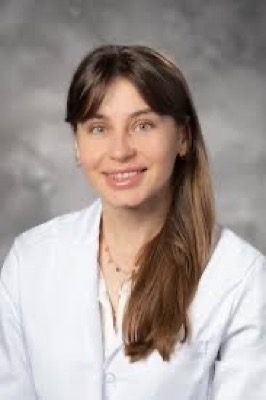
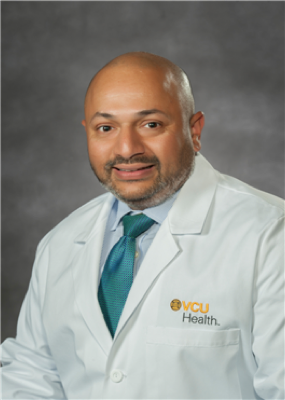
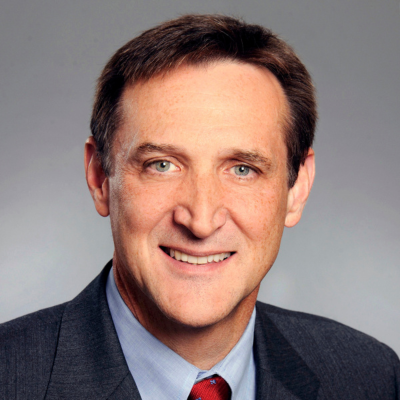
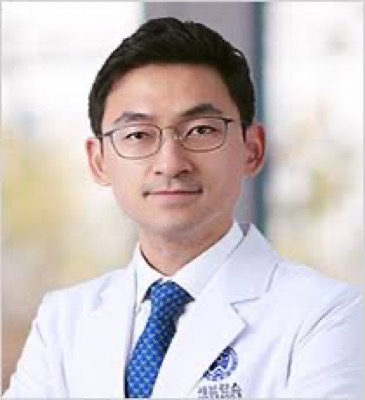
Investigators & Collaborators
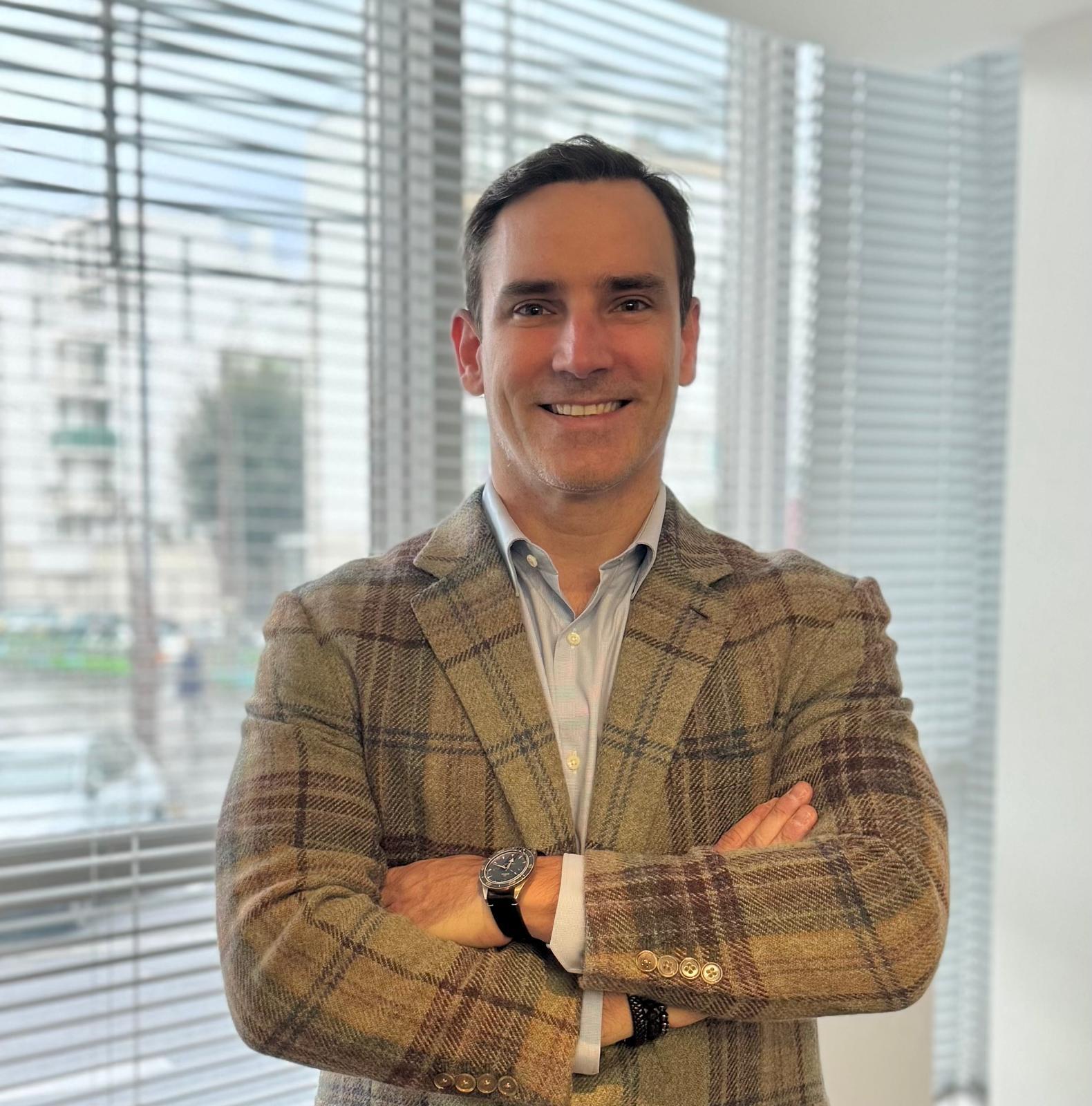
Alexandre Loupy
Professor of Nephrology & Epidemiology · PITOR
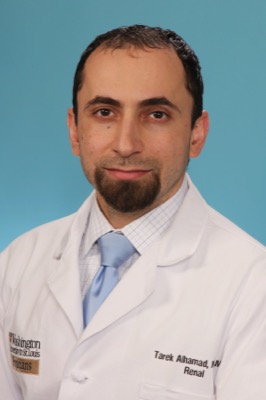
Tarek Alhamad
Associate Professor of Medicine · Wash U
Nicole Ali
Transplant nephrologist · NYU
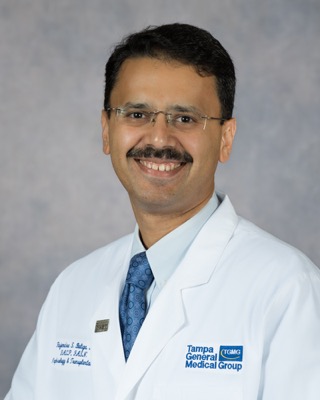
Rajendra Baliga
Medical Director, Kidney & Pancreas Transplant Program · Tampa
Arpita Basu
Assistant Professor of Medicine · Emory
Christian Bolanos
Transplant nephrologist · Tampa General Hospital / Florida
Dan Brennan
Professor of Nephrology · Johns Hopkins
Nadiesda Costa
Transplant nephrologist · Georgetown
David Cucchiari
Nephrologist · Hospital Clinic Barcelona/ Brigham and Women's Hospital
Associate Professor of Clinical Medicine · Saint Joseph
Peter Reese
Professor of Medicine & Epidemiology · Vanderbilt
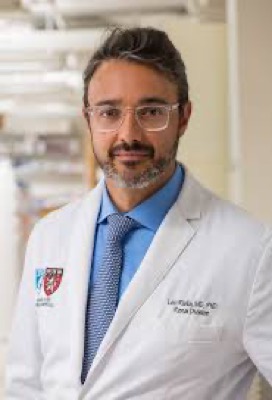
Leonardo RIella
Harold & Ellen Danser Endowed Chair in Transplantation · MGH
Deirdre Sawinski
Assistant Professor of Medicine (interim) · Cornell
Puneet Sood
Transplant nephrologist · UCSF
Robert Stratta
Professor of Surgery · Wake Health
Ondrej Viklicky
Professor of Nephrology · CZ registry
Hani Wadei
Professor of Medicine; transplant nephrologist · Mayo Jacksonville
Changxi Wang
Professor and Director · Sun Yat-Sen University
David Wojciechowski
Professor of Internal Medicine (Nephrology) · UT Southwestern
Anju Yadav
Transplant nephrologist · Johns Hopkins
Helix Zhang
Transplant Surgeon · Sun Yat-Sen University
Join TRINITY.
Centers interested in joining, or contributing data to specific projects, are warmly invited
to contact the coordinating team. Investigators may also propose new research projects aligned with the
consortium's scientific priorities. TRINITY provides multicenter scientific coordination, support with IRB
and data extraction, curation, quality control and statistics, and manuscript coordination.
Paris Institute for Transplantation
& Organ Regeneration (PITOR)
INSERM - Institut National de la Santé et de la Recherche Médicale
Assistance Publique – Hôpitaux de Paris
Université Paris Cité - UPC
75015 Paris, France